Conventional Fire Alarm Systems in Qatar
A Practical Guide to Conventional Fire Alarm Systems
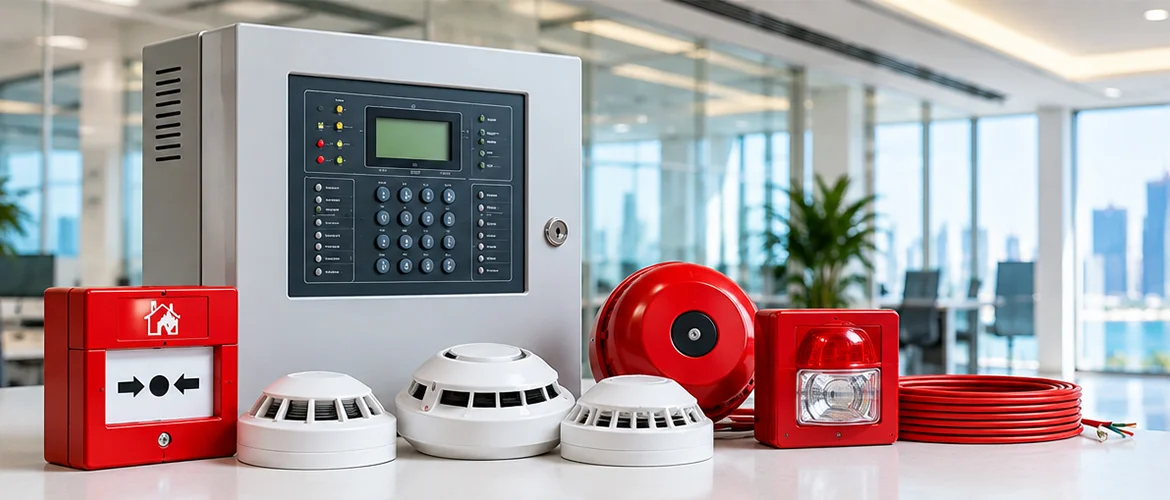
A conventional fire alarm system is a dependable, well-established solution for providing early warning of fire. It divides a building into clearly identified zones, enabling building staff and emergency responders to quickly focus their investigation on the area where an alarm has been reported.
For smaller and straightforward premises in Qatar, a correctly designed conventional system can offer effective protection, simple operation and good value. Its suitability, however, depends on the building layout, occupancy, risk profile and applicable Qatar Civil Defence requirements.
How a Conventional Fire Alarm System Works
Devices such as smoke detectors, heat detectors and manual call points are wired into separate circuits, known as zones. Each zone represents a defined part of the building, for example a floor, corridor, office area or workshop.
When a device operates, the fire alarm control panel indicates the affected zone. The panel does not normally identify the individual device, so trained personnel inspect the indicated area to locate the source of the alarm. Sounders and visual alarm devices then warn occupants so that approved emergency procedures can begin.
- Zones should be clearly labelled at the control panel and on site plans.
- Detection type and placement must match the room use and environmental conditions.
- Alarm devices must be audible and, where required, visible to occupants.
Zone-Level Identification
If Zone 3 is in alarm, the panel directs staff to that part of the building. Good zone planning, accurate drawings and staff training are therefore essential parts of an effective conventional system.
Core Components

Fire Alarm Control Panel
The panel monitors each zone, displays alarm and fault conditions, controls notification devices and provides essential information to authorised personnel.

Detection and Call Points
Smoke and heat detectors provide automatic detection, while manual call points allow occupants to raise an alarm when they discover a fire.

Sounders and Interfaces
Sounders, visual alarm devices and approved interfaces communicate the alarm and can operate related safety functions where required by the design.
Where Conventional Systems Work Well
Conventional systems are commonly considered for smaller, low-to-medium complexity buildings where zone-level information is sufficient and the number of devices is limited.
- Small offices, shops, villas and standalone units
- Simple layouts with clearly separated fire zones
- Projects where a straightforward, familiar system is appropriate
Points to Consider
As a building grows in size or complexity, it can take longer to identify the exact device that operated. Larger facilities may need more detailed information, greater expansion capacity or more sophisticated interfaces.
- Careful zone design makes alarm investigation faster.
- Alterations and extensions should be assessed by a competent fire alarm specialist.
- The appropriate system should be selected for risk, not initial cost alone.
Design, Testing and Maintenance in Qatar
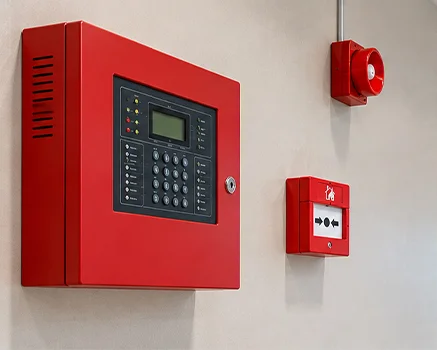
Fire alarm systems in Qatar must be designed, installed, tested and maintained in accordance with applicable Qatar Civil Defence requirements and relevant fire safety standards. An approved specialist can help ensure the system design, equipment selection, drawings and documentation are suitable for the project.
Routine inspection and preventive maintenance are equally important. Testing helps confirm that detectors, manual call points, alarm devices, batteries and panel indications remain ready to operate, while clear records support safe ongoing building management.
- Inspect and test the system at scheduled intervals.
- Investigate faults promptly and keep maintenance records current.
- Train authorised staff in alarm response, evacuation and impairment procedures.
Choose a System That Fits Your Building
RGI Fire can assess your premises and recommend a conventional fire alarm solution that supports your safety objectives, authority requirements and long-term maintenance needs. From design and installation to testing and service, our team provides practical support throughout the system lifecycle.